The Matching Furniture Set Is Not a Room Plan
A matching furniture set can suit a country room without dictating it. Assess each piece’s footprint, purpose and finish before deciding what belongs.
A matching furniture set can look orderly in a country room and still leave little room to live. Before buying one, check how each piece fits, what it does, and whether its repeated finish suits the room’s existing character.
What the set shares
A matching furniture set usually repeats a finish, profile, hardware or maker’s design. It might pair a dining table with chairs and a sideboard, or include a bed, dresser and bedside tables. The pieces need not be identical: a shared timber tone or similar lines can create a family resemblance.
That resemblance is an option, not a requirement. A room with exposed beams, stonework or an old fireplace already has strong visual features. Several large pieces in the same dark stain may draw attention away from them. A quieter combination can leave the architecture in view.
Start with the room
Check the fixed features first: doors, windows, radiators, built-in cupboards and the route into the room. A piece that fits against a wall on paper may interfere with a door or block access once it is in place.
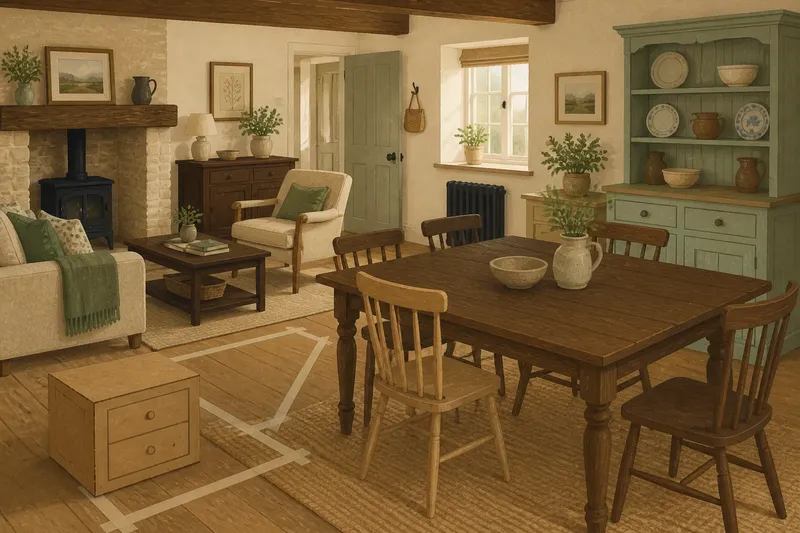
Then account for furniture in use, not just at rest. Open drawers and doors; pull out dining chairs; leave space for the people who need to pass through. Painter’s tape can mark a proposed footprint on the floor. A cardboard outline helps show the height and bulk of a chest or sideboard.
- Door swing: Open the door beside the proposed piece. If it strikes the furniture, move the piece or choose a narrower one.
- Drawer access: Pull out the existing drawers near the proposed location. If they cannot open fully, reposition the new piece or select one with less depth.
- Chair movement: Pull chairs back as they would be used at mealtimes. If the route becomes awkward, reduce the table’s footprint or use fewer chairs.
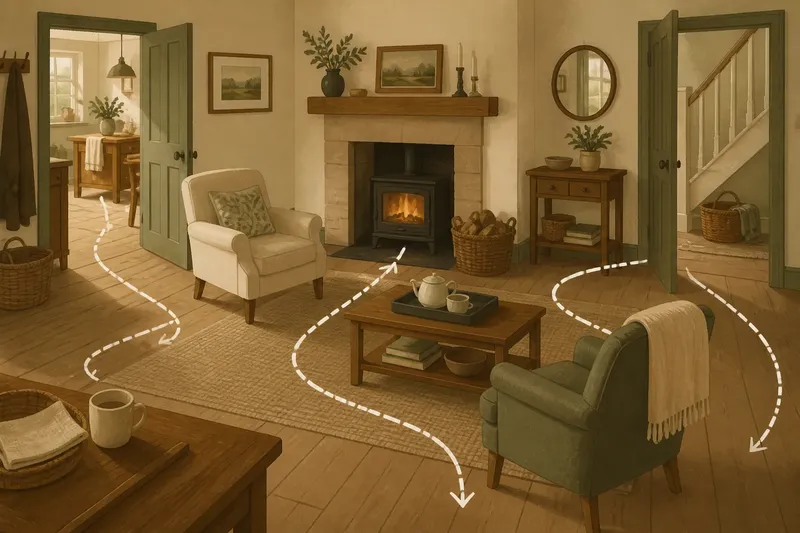
- Walking route: Walk between the room’s entrances and main seating. If a furniture corner interrupts the route, change the layout or choose a piece with a less projecting shape.
- Visual height: Compare the proposed piece with nearby furniture and architectural features. If it overwhelms a low window or narrow wall, choose a lower or lighter-looking form.
- Finish and grain: View the piece beside the room’s existing wood and painted surfaces in ordinary light. If the finish creates an unwanted block or clash, consider a different finish or a contrasting shape.
These checks help decide whether a particular piece belongs, regardless of whether it comes from the same collection as the rest.
Give each piece a job
Before choosing a coordinated item, name what it needs to do. A side table might hold a lamp and a book; a cabinet could store serving pieces near the dining area. A piece with no clear task can become a surface for objects that still have no home.
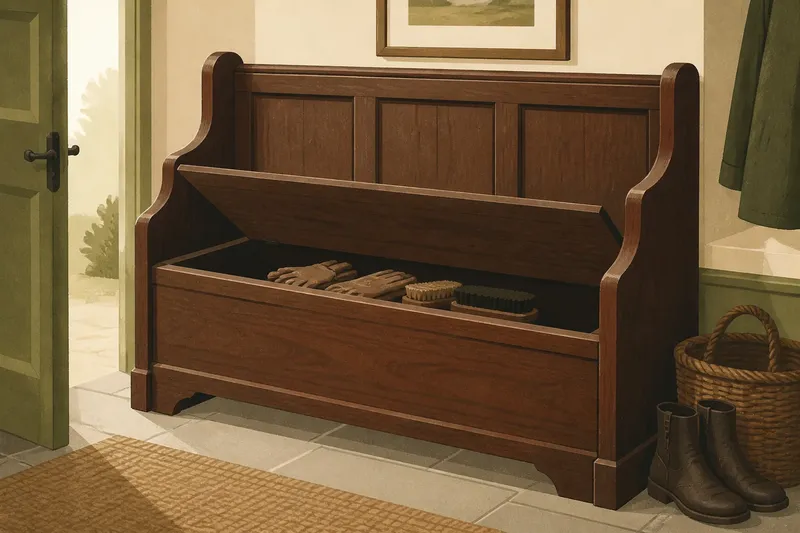
Separate everyday use from occasional use. A chest with a lid may suit spare bedding, while drawers may be more convenient for items reached each morning. A dining chair’s weight and shape matter if it is often moved; finish alone will not make it comfortable to handle.
Imagine a cottage bedroom with a narrow gap beside the bed and no convenient place for a reading lamp. The starting need is a lamp surface, not another matching cabinet. The occupant marks a small side table’s footprint with tape, opens the nearby wardrobe door, then checks that the route to the bed remains clear. If the marked table fits without blocking the door, it answers the need; if not, a wall-mounted shelf may be the better tradeoff.
Use contrast with intent
Different pieces can belong together through a few clear connections: similar proportions, related wood undertones, repeated curves or quiet hardware. A plain cabinet can sit beside patterned upholstery without competing for attention. A spindle-back chair can make a solid farmhouse table feel less imposing.
Contrast works best when the room gives it a reason. In a dining room with a pine table and a painted Welsh dresser, ash chairs could echo the table’s warm wood while the dresser supplies a softer interruption. The table remains the visual center, rather than every piece trying to be the same kind of focal point.
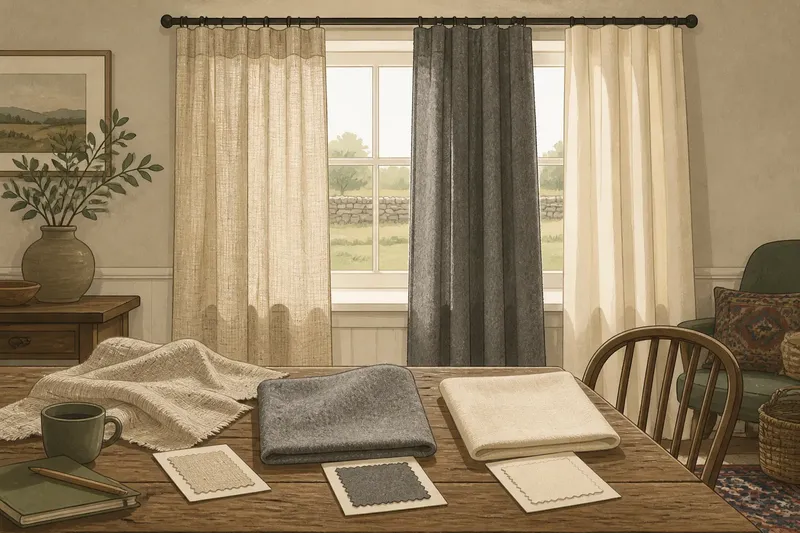
When mixing old and new furniture, compare their surfaces in the room’s light. A glossy finish beside weathered, matte wood can make the difference unusually conspicuous. A simpler neighboring piece or a less reflective finish may make the transition feel more considered.
Questions about matching sets?
Should bedroom furniture match?
No. A shared finish or similar visual weight can connect bedroom pieces without requiring identical shapes. Choose bedside furniture according to the space beside the bed and the storage the room actually needs.
Can different wood tones work together?
Yes, when the contrast looks intentional and the pieces have a reason to sit together. Compare undertones and sheen in the room’s light, then look for a shared form or nearby textile that links them.
When does a complete set make sense?
A complete set is useful when every piece serves a distinct purpose and fits the room. If it duplicates storage or crowds a route, keep only the pieces that answer a real need.
How should old and new pieces relate?
Compare their finish, scale and visual weight rather than relying on age alone. If one piece looks conspicuously out of place, changing its position or pairing it with a simpler neighbor may help.
Make the purchase decision
A matching furniture set can be a straightforward choice for a guest room or dining area that needs coordinated pieces. It can also be sensible to keep a set already in the house. If the furniture fits, serves its purposes and leaves the room’s best features visible, there is no need to replace it merely for variety.
For a new purchase, decide piece by piece. A matching furniture set is worth considering when its parts suit the room’s footprint and daily use; if one item fails those checks, buying only the useful pieces is a complete decision.